How Board-Level Repair Reduces Electronics Downtime
6 Oct 2026
Downtime is measured from the moment a unit fails to the moment it is back in use. Board-level repair shortens that window where the wait for a replacement is the longest part of it.
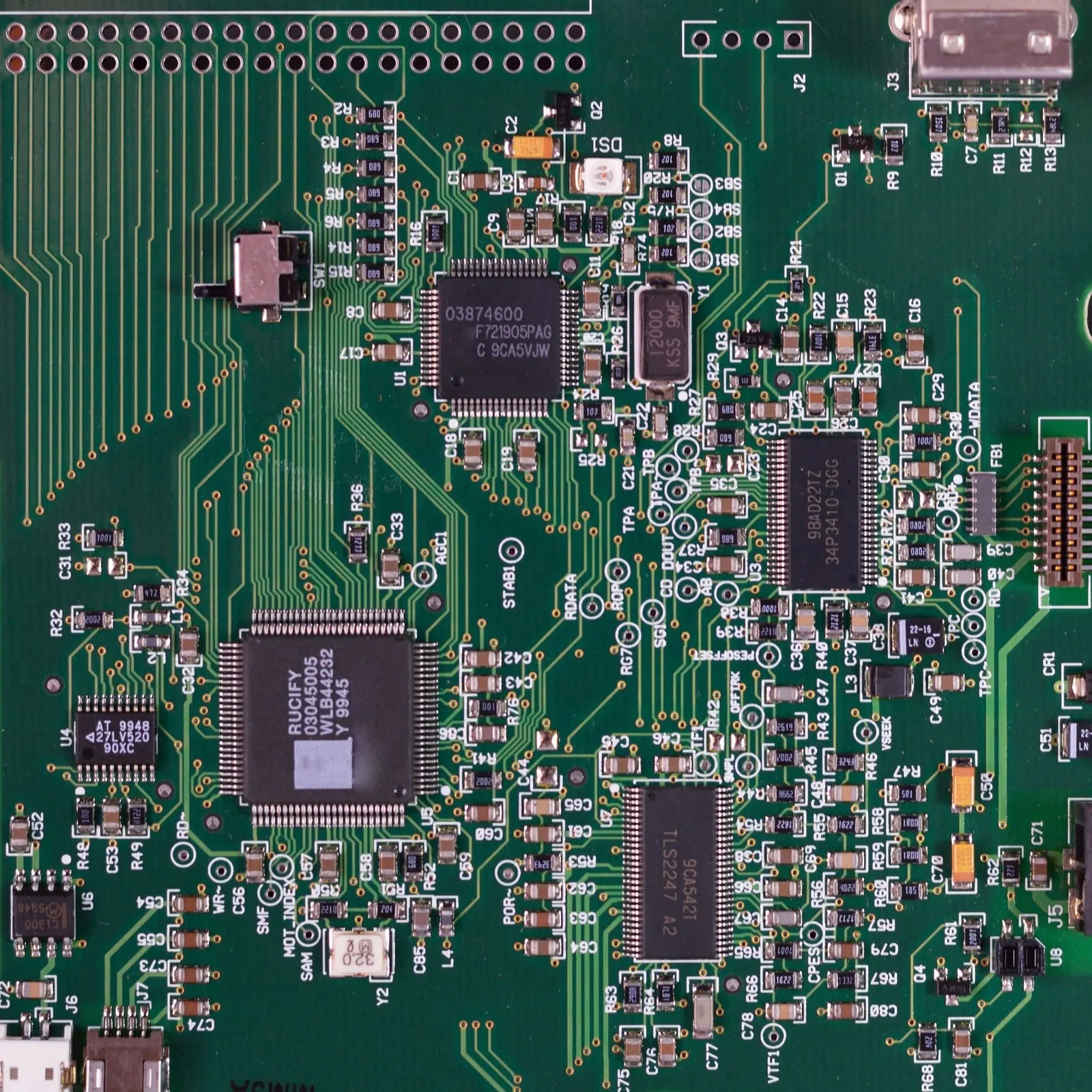
Where the time goes
Replacing a failed unit usually involves quotation, procurement, import or shipping, delivery and reconfiguration. For common items the wait is short. For specialised, imported or discontinued equipment, it can be the largest part of the outage.
What repair changes
Repairing the board skips procurement and reconfiguration. The same board comes back with its configuration, firmware and mounting unchanged, so the equipment can go straight back in. The time that remains is diagnosis, any parts sourcing, the repair itself and testing.
Why an early assessment matters
Waiting until the replacement is quoted wastes the time in which a repair could have started. An assessment is done first so you know early whether repair is viable and approximately what is involved.
Assessment does not commit you to repair. If the board is not repairable you learn that straight away and can order the replacement without having delayed it.
Reducing repeat downtime
A repair that records what failed and why makes the next failure easier to prevent. For fleets of identical boards, comparing failures shows whether the cause is the board's design, the site's power or the operating conditions.
Where it does not help
If a required part is unobtainable or damage is extensive, repair may not be viable. In that case the assessment saves time by saying so quickly.
Related Service
Board-Level Electronics Repair in Kenya