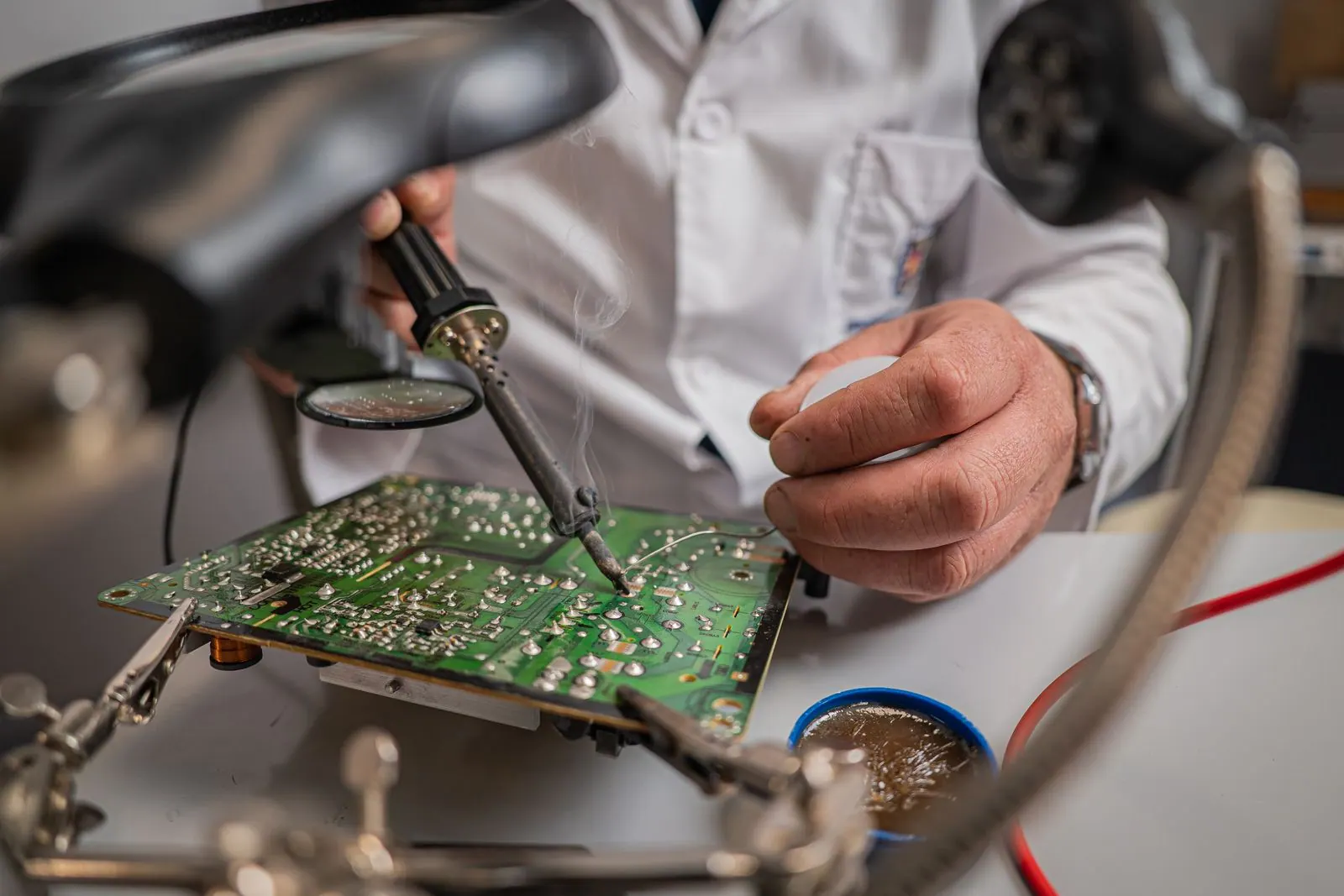
Clear answers to common questions about PCB repair, diagnostics, failure analysis, and refurbishment.
PCB Diagnostics
Often, yes — but it depends entirely on which component failed, how accessible it is, and whether a replacement part exists.
A board that won't power on usually points to one of a handful of causes — most identifiable through electrical testing rather than guesswork.
Both are valid options — the right choice depends on the fault, the part's availability, and the cost difference.
Repair Engineering
Component-level repair works at the level of the individual part that failed — a capacitor, connector, or IC — rather than replacing the whole assembly.
Component Failures
Sometimes — a burn mark isolated to one component is often repairable. Damage that has spread further, or reached the board itself, usually isn't.
Most laptop motherboard failures trace back to a small number of recurring causes.
Failure Analysis
A repair fixes what broke. Failure analysis investigates why it broke — relevant when a fault is likely to recur, or when several similar units fail the same way.
Power Electronics
Power supply boards often show warning signs before they fail outright.
Diagnostics turns "it doesn't work" into a defined electrical problem — the basis every repair decision depends on.
Preventive Maintenance
Refurbishment makes sense when equipment is still functional but degraded, and replacing it would cost more or take longer than restoring it.
Most PCB failures trace back to a small number of recurring causes rather than a random, unexplainable fault — recognizing the pattern helps set expectations before assessment even begins.
Industrial Automation
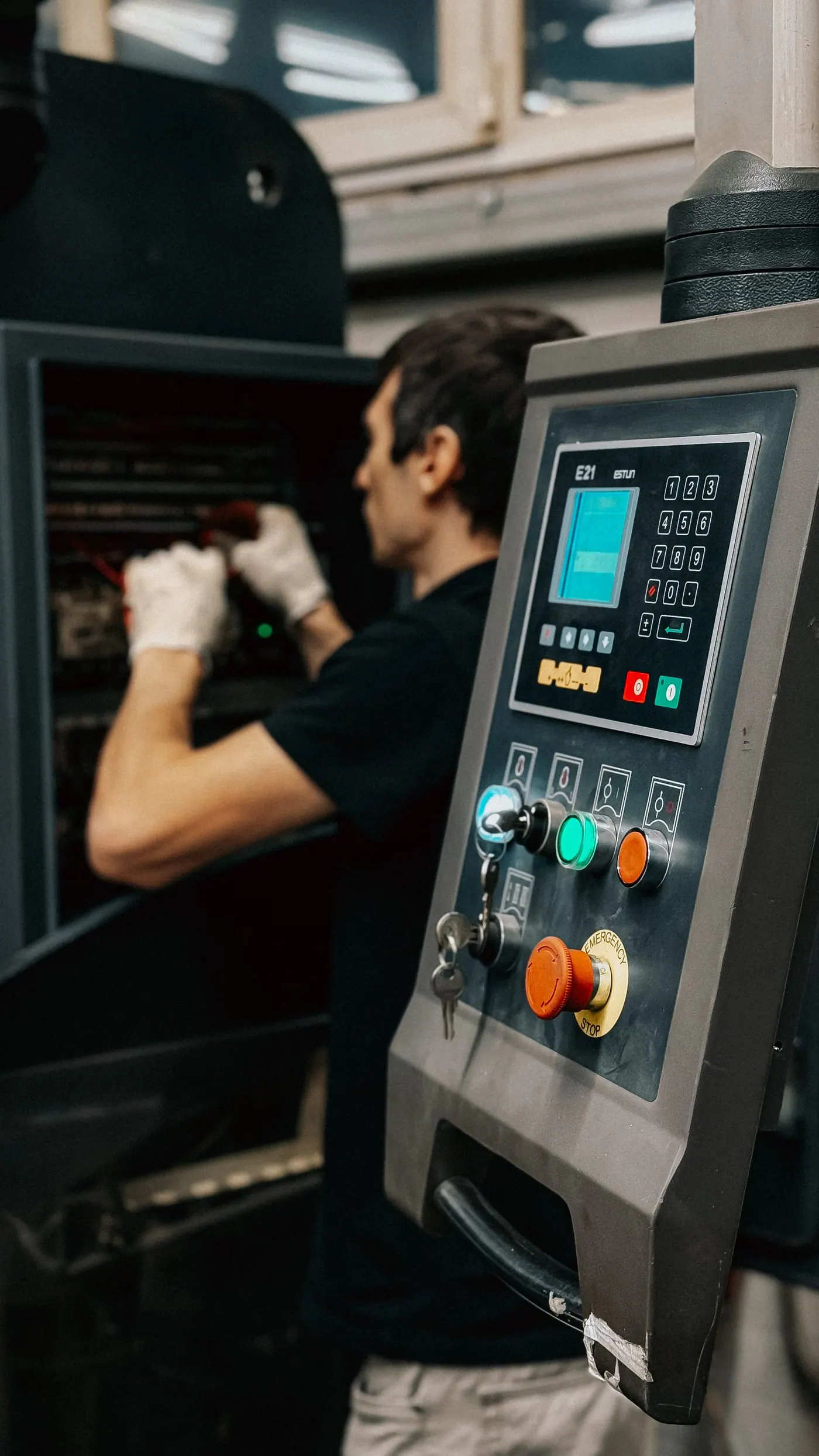
Industrial electronics carry a different repair-vs-replace calculation than consumer devices — the equipment around a failed board is often what makes replacement expensive or impractical, not the board itself.
The cost advantage of component-level repair comes from a simple fact: most board failures are caused by one or two parts, not the entire assembly — so paying to replace the whole board is often paying for components that never failed.
Networking Hardware
Network switches run continuously for years, and when one finally fails, the cause is usually one of a handful of well-understood patterns rather than a mystery.
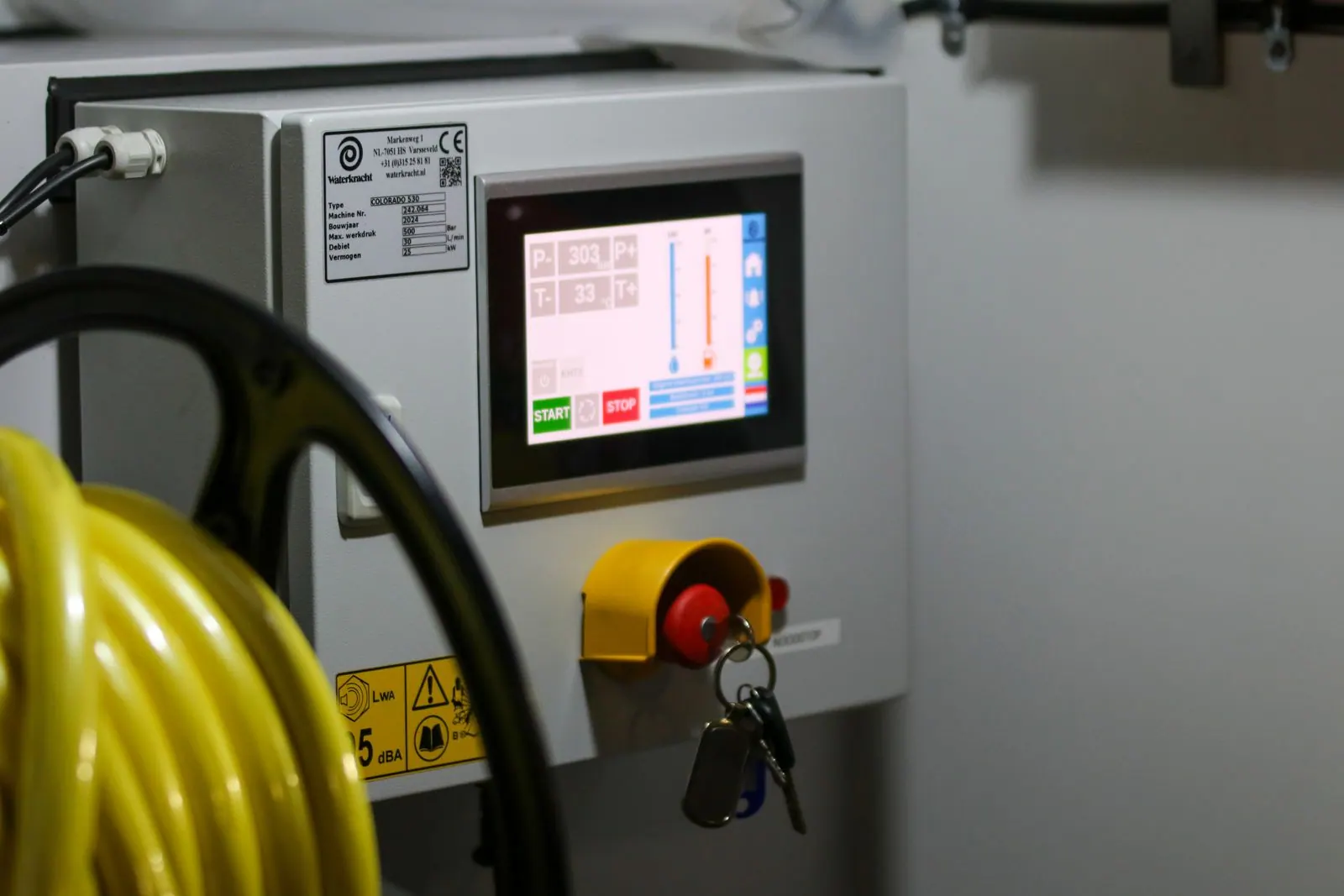
Industrial power supplies run under continuous load in environments that are often hotter and dustier than an office or data centre — this is the main reason their failure patterns look different from consumer electronics.
Failure analysis is a structured technical process, not a single test — it moves from where the damage is, to how it happened, to why the circuit allowed it to happen.
Medical Electronics
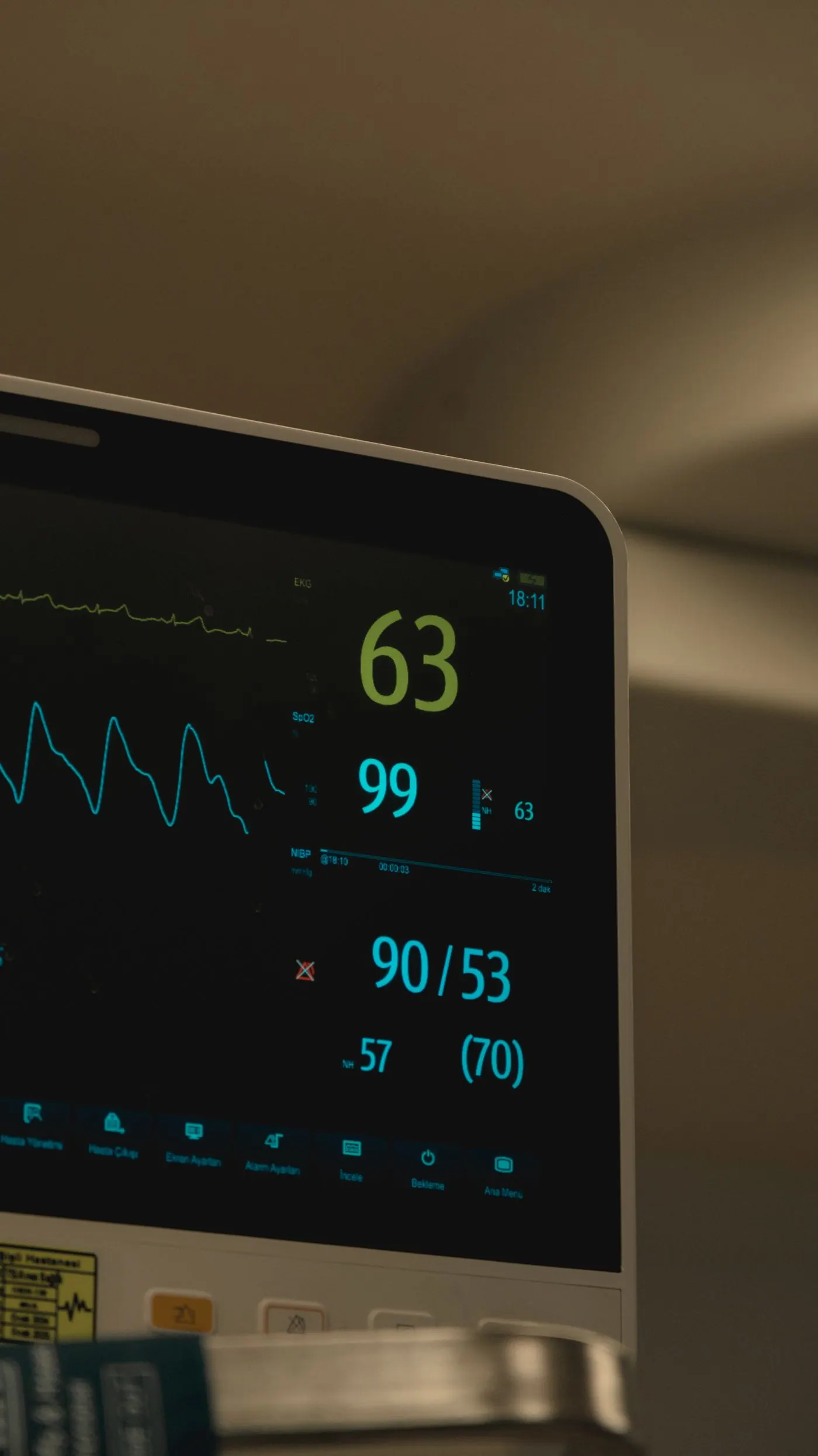
When a monitor or diagnostic unit goes down, the operational cost isn't just the equipment — it's the clinical capacity that unit represented while it was offline.
PLCs and HMI panels fail in fairly predictable ways given how they're used — continuous operation, physical handling on a factory floor, and exposure to the same industrial electrical environment as everything else on the line.
Refurbishment done as a planned program, rather than a one-off reaction to a failure, brings benefits beyond just fixing what's currently broken.
Laboratory Best Practices
A few simple steps before submitting equipment for assessment can make diagnosis faster and more accurate, without requiring any technical knowledge of the fault itself.
Industrial electronics run harder than office equipment: longer hours, more heat, dirtier air and worse power. Most failures trace back to a small set of causes, and knowing which one applies decides both the repair and the prevention.
A switch that has stopped working can be failing for power reasons, port reasons or software reasons. A few safe, non-invasive checks narrow it down before anyone considers replacing it.
Downtime is measured from the moment a unit fails to the moment it is back in use. Board-level repair shortens that window where the wait for a replacement is the longest part of it.
Power supply boards fail more often than most other boards. Evaluating one properly means looking for the failed stage, the cause of the failure and whether repair is worth it.
Repair and refurbishment are often used as if they mean the same thing. They solve different problems, and choosing the wrong one costs either money or reliability.
An ISP's equipment budget is driven by the volume of failures. Understanding why equipment fails, and having a repair route for the rest, brings that cost down.
Often, yes. Whether it is worth doing depends on what failed, whether the unit is indoors or outdoors and how much a replacement would cost.
An operator panel that is dark or unresponsive can stop a machine from being used even when the controller is fine. Most HMI faults come from a short list of causes.
A PLC module that has stopped responding does not always mean the whole controller must be replaced. Diagnostics narrows the fault to a module and then to a stage on that module.
A variable-frequency drive that trips, will not start or shows a fault code often has a failed board rather than a failed motor. Finding which board, and which stage on it, is what makes repair possible.
Electrostatic discharge is a brief, invisible transfer of charge that can damage sensitive components without any visible sign. It affects how boards are handled, packed and repaired.
A board that powers up after repair has not necessarily been repaired. Post-repair testing shows whether the repair holds under the conditions the equipment will actually face.
Repair is not always the right answer, and neither is replacement. The decision depends on a handful of factors that can be checked before any money is committed.
The quote for a replacement board is only part of the cost. The rest is time, disruption and the loss of a configuration that already works.
When a manufacturer stops supporting a product, the equipment is still working for you, but its spares and service are disappearing. There are several options between running it until it fails and replacing it today.
Most electronic equipment fails for reasons that can be managed: heat, poor power and ageing parts. Extending its life is mainly a matter of controlling those and acting before a failure.
Board-level repair treats the circuit board as the unit of repair: the failed board is restored and returned instead of the whole unit or module being replaced.
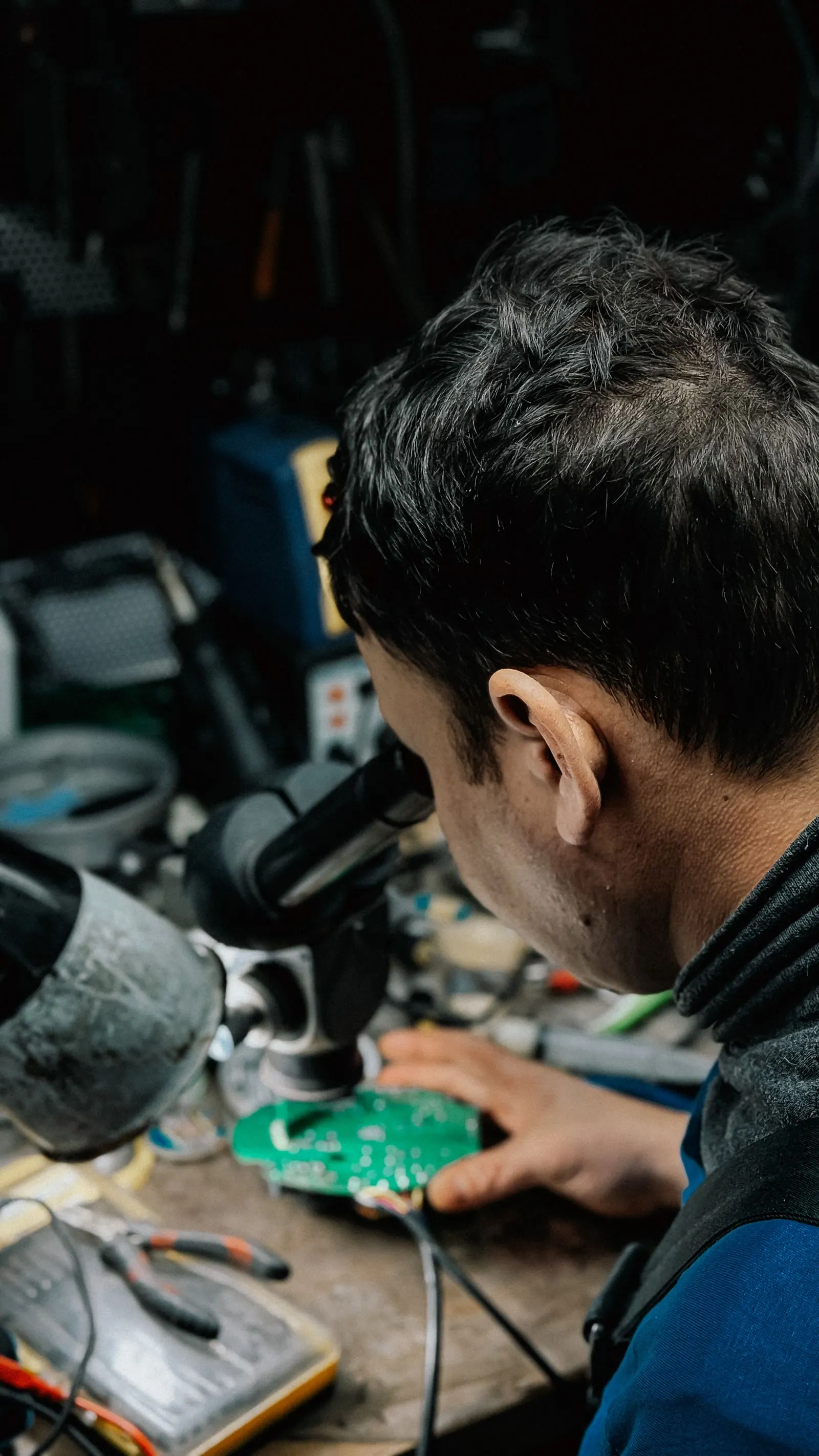
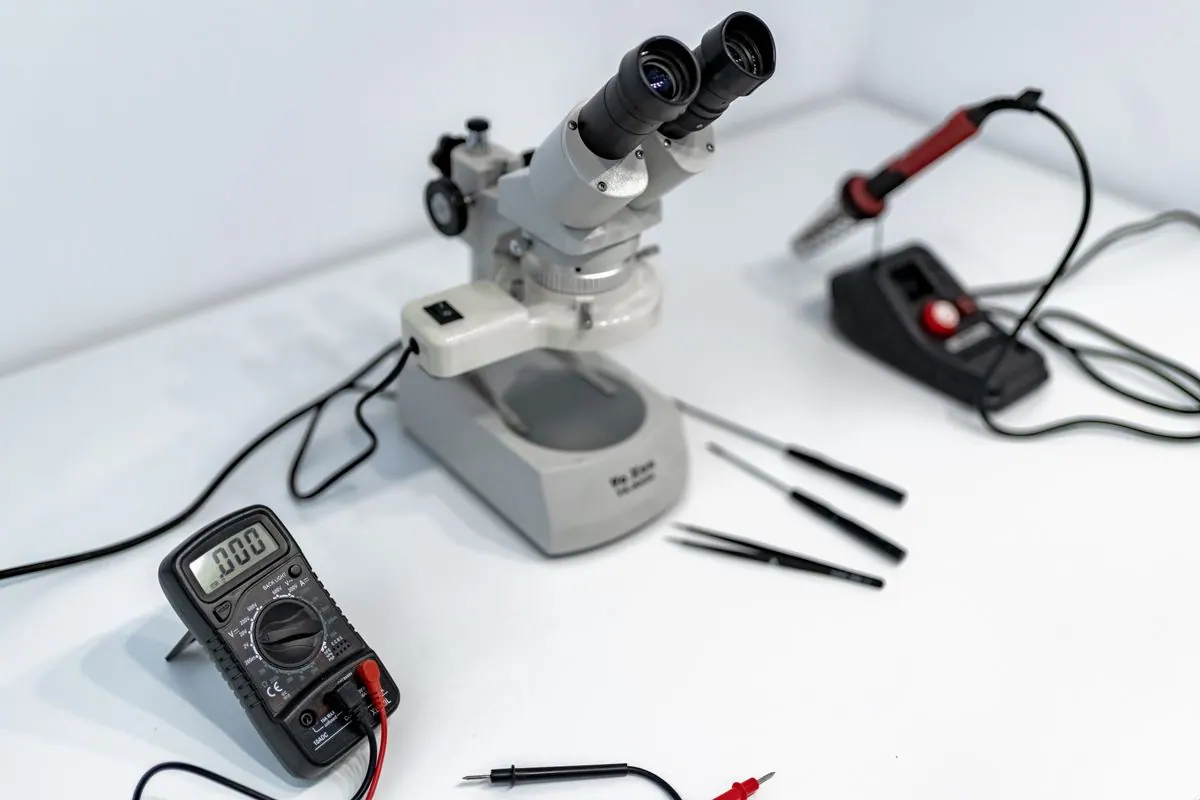
PCB rework is precision work on a board that has already been built: replacing parts, repairing damage and making approved changes, under magnification and with controlled heat.
Industrial control boards fail in a small number of recurring ways. Recognising the pattern helps decide whether a board can be repaired and how to stop the next one failing.
Industrial electronics repair is a different discipline from general repair. The equipment is controlling machinery, the downtime is costly and the repair has to be verified under realistic conditions.
Medical equipment contains the same kinds of electronics as other equipment, with the added responsibility that its owner decides when it is safe to use again. Repair is the electrical part of that chain.
Repair responds to a failure; refurbishment reduces the number of failures. Planned work on ageing equipment turns unplanned outages into scheduled ones.
Switches, routers and access points are often retired while they still have useful life. Refurbishment tests them, repairs what is wrong and returns them as spares or for lower-priority sites.