Electronics Repair for Healthcare and Medical Equipment in Kenya
Medical equipment often stays in service for a decade or more, long after a manufacturer stops supporting the electronics inside it. When a monitor, diagnostic module, or power supply fails, replacing the whole unit is frequently the most expensive option available — and not always the only one.
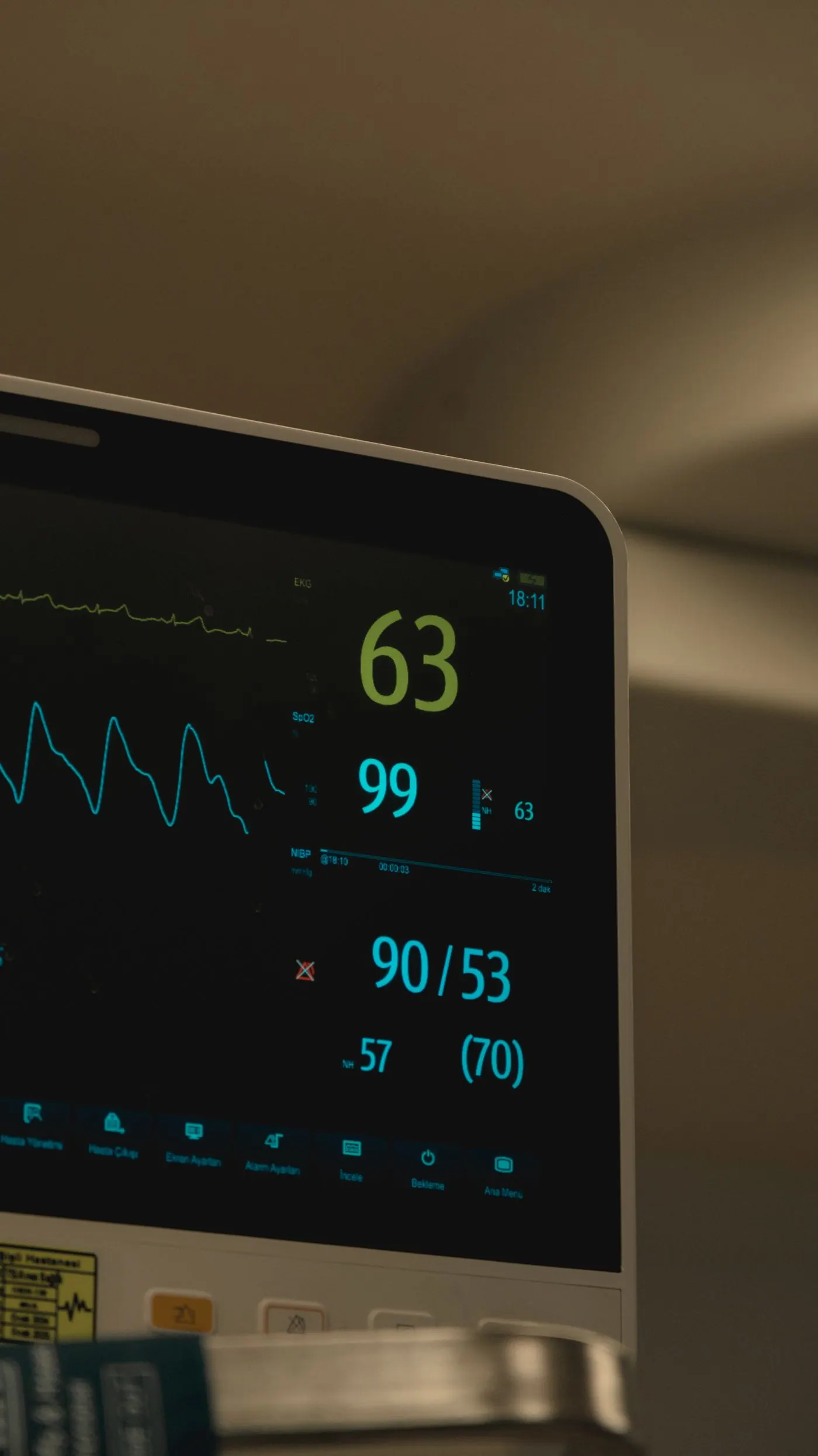
Industry Overview
Medical equipment often stays in service for a decade or more, long after a manufacturer stops supporting the electronics inside it. Hospitals and equipment companies need failed boards repaired quickly, with a record that supports the biomedical engineer's decisions.
Sinsal repairs the electronics. It does not provide clinical calibration, certification or approval to return equipment to clinical use, which remain with the equipment owner.
Equipment and Systems
- Patient-monitoring displays and signal-processing boards
- Diagnostic equipment control and interface modules
- Medical-grade switch-mode power supplies
- Device control boards and touchscreen interface assemblies
- Battery-backup and charging circuitry
Common Failures
- Unit powers on but the display stays blank or shows corrupted output
- Intermittent shutdowns during use, often traced to power-supply components
- A specific measurement channel stops reading while others work normally
- Physical damage to connectors or ribbon cables from routine handling
- Battery-charging circuitry that no longer holds a charge
Why Component-Level Repair Matters
A failed power or interface board is frequently a small fraction of the cost of a new module, and import lead times can be long. Component-level repair targets only the failed part.
Sinsal Workflow
- 01Assessment with documented findings
- 02Approval of repair scope
- 03Repair and testing
- 04Return with a repair record for the biomedical engineer
Diagnostic Process
- Visual and microscope inspection for corrosion, cracked solder joints, and heat damage
- Power-rail and voltage-regulation testing under load
- Signal tracing on the specific channel or subsystem reporting the fault
- Component-level testing to isolate a failed part from a design or firmware issue
Testing Requirements
- Rail and signal verification
- Electrical function test in a representative setup
- Extended run, including warm-up behaviour
- Clinical safety and calibration checks remain the owner's responsibility
Turnaround Considerations
Clinical departments cannot wait long, so urgency can be flagged at submission. Actual turnaround depends on the fault and parts sourcing, and an estimate is given after assessment.
Refurbishment
Ageing boards and power supplies can be refurbished with preventive replacement of known wear parts, on a case-by-case basis.
Repair vs. Replacement: Cost and Lifecycle
A failed control board or power supply is frequently a small fraction of the cost of a full replacement unit, particularly for equipment the original manufacturer has discontinued. Assessment identifies which category a given fault falls into before any repair work is authorized, so the decision to repair or replace is made with real information rather than a guess.
How to Submit Equipment
- 01Identify the equipment, module and fault
- 02Confirm with your service contract holder whether third-party repair is permitted
- 03Request an assessment and deliver the board to the Nairobi laboratory
Important Limitation
Repair and diagnostic work does not include clinical calibration, medical-device certification, or approval to return equipment to clinical service — those remain the customer's own regulatory and quality-assurance responsibility.
Common Questions
Can Sinsal repair medical equipment that's still under a service contract?
That depends on the terms of the existing contract — some manufacturers void warranty coverage if third-party repair is performed. Confirm this with your service provider before submitting equipment for assessment.
Does Sinsal recalibrate or certify equipment after repair?
No. Sinsal's scope is component-level electronics repair and diagnostics — clinical calibration and certification are the customer's responsibility and are handled separately.
Is Medical Equipment Down for a Failed Board?
Describe the equipment and the fault. Sinsal will confirm whether it is a fit for diagnostics and repair before any work begins.
Already submitted equipment? Track your equipment