How to Evaluate a Failed Power Supply Board
6 Oct 2026
Power supply boards fail more often than most other boards. Evaluating one properly means looking for the failed stage, the cause of the failure and whether repair is worth it.
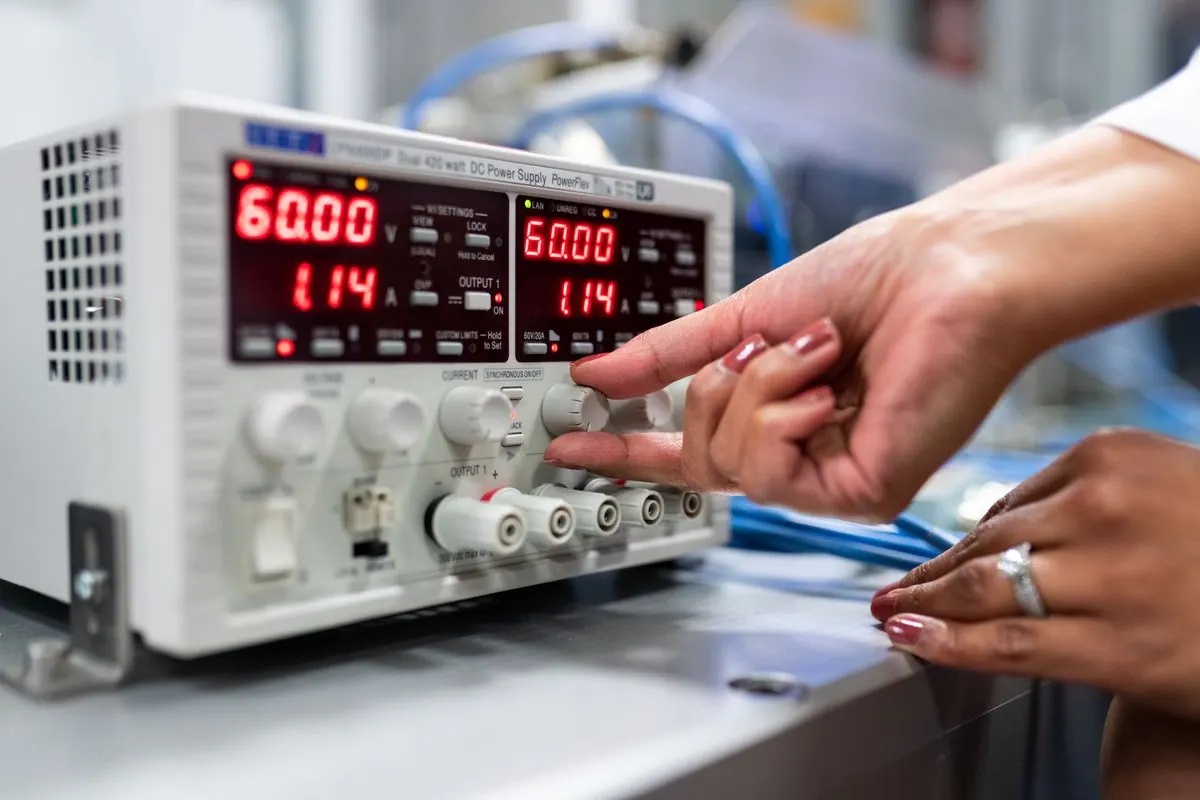
Start with what you can see
Look for bulging or leaking capacitors, burnt or discoloured areas, a blown fuse and any smell of burning. These point to the failed stage. Do this only with the supply disconnected from mains and discharged: switch-mode supplies hold dangerous charge in their capacitors.
Typical failed parts
In switch-mode supplies the common casualties are the electrolytic capacitors, the main switching device, the rectifier diodes, the start-up resistors and the controller or gate driver. Output-side faults often involve secondary rectifiers and output capacitors.
Understand why it failed
A replacement part that fails again quickly means the cause was not removed. Swollen capacitors suggest heat or age. Damaged input components suggest a surge. A shorted switching device often takes its driver with it. Looking for the stress that caused the failure is as important as replacing the part.
Decide whether repair is worth it
Repair is attractive where the supply is custom, expensive or discontinued, or is built into equipment that is costly to replace. A cheap generic adapter is usually not worth repairing. An assessment states the likely repair scope and parts availability before any work is approved.
Test after repair
A repaired supply should be tested for output accuracy and ripple under load and for stability when warm. A supply that works on the bench with no load may still fail under real operating conditions.
Related Service
Power Electronics Repair in Kenya