Understanding ESD in Electronics Repair
6 Oct 2026
Electrostatic discharge is a brief, invisible transfer of charge that can damage sensitive components without any visible sign. It affects how boards are handled, packed and repaired.
What ESD is
People and objects build up static charge from movement and friction. Touching a component or a board can discharge that charge through it. The voltage involved can be thousands of volts, though the energy is tiny, and modern integrated circuits can be damaged by far less than a person can feel.
Why it matters for repair
ESD can cause immediate failure, or partial damage that shows up as intermittent faults weeks later. This is why a board that was repaired correctly can still develop a fault if it was mishandled afterwards.
Controls used in a repair environment
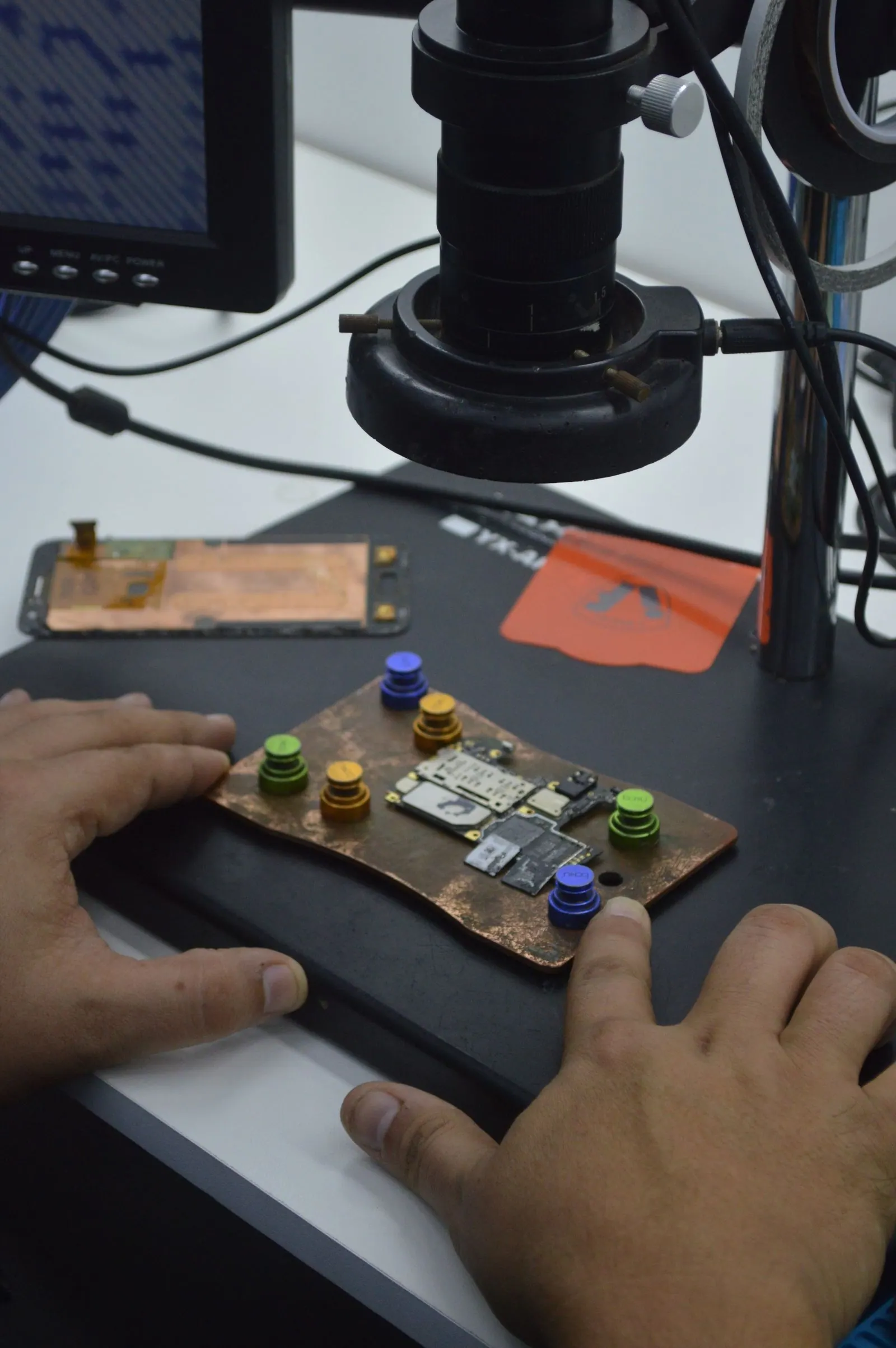
Standard controls include grounded work surfaces, wrist straps, controlled humidity where practical, anti-static storage and packaging, and careful handling by the edges. Each unit is handled the same way, whether or not it looks fragile.
What you can do before sending equipment
Put boards in anti-static bags where you have them, avoid touching connector pins and components, and pack boards so they cannot flex or rub. Where you do not have anti-static bags, ask for packaging guidance when you request an assessment.
ESD is not the only cause
Many failures attributed to static are actually from heat, surges or ageing. Diagnosis separates them by the pattern of damage, since ESD damage tends to be inside the components rather than visible on the board.
Related Service
PCB Repair Services in Kenya