Clear answers to common questions about PCB repair, diagnostics, failure analysis, and refurbishment.
Industrial Automation
Industrial electronics carry a different repair-vs-replace calculation than consumer devices — the equipment around a failed board is often what makes replacement expensive or impractical, not the board itself.
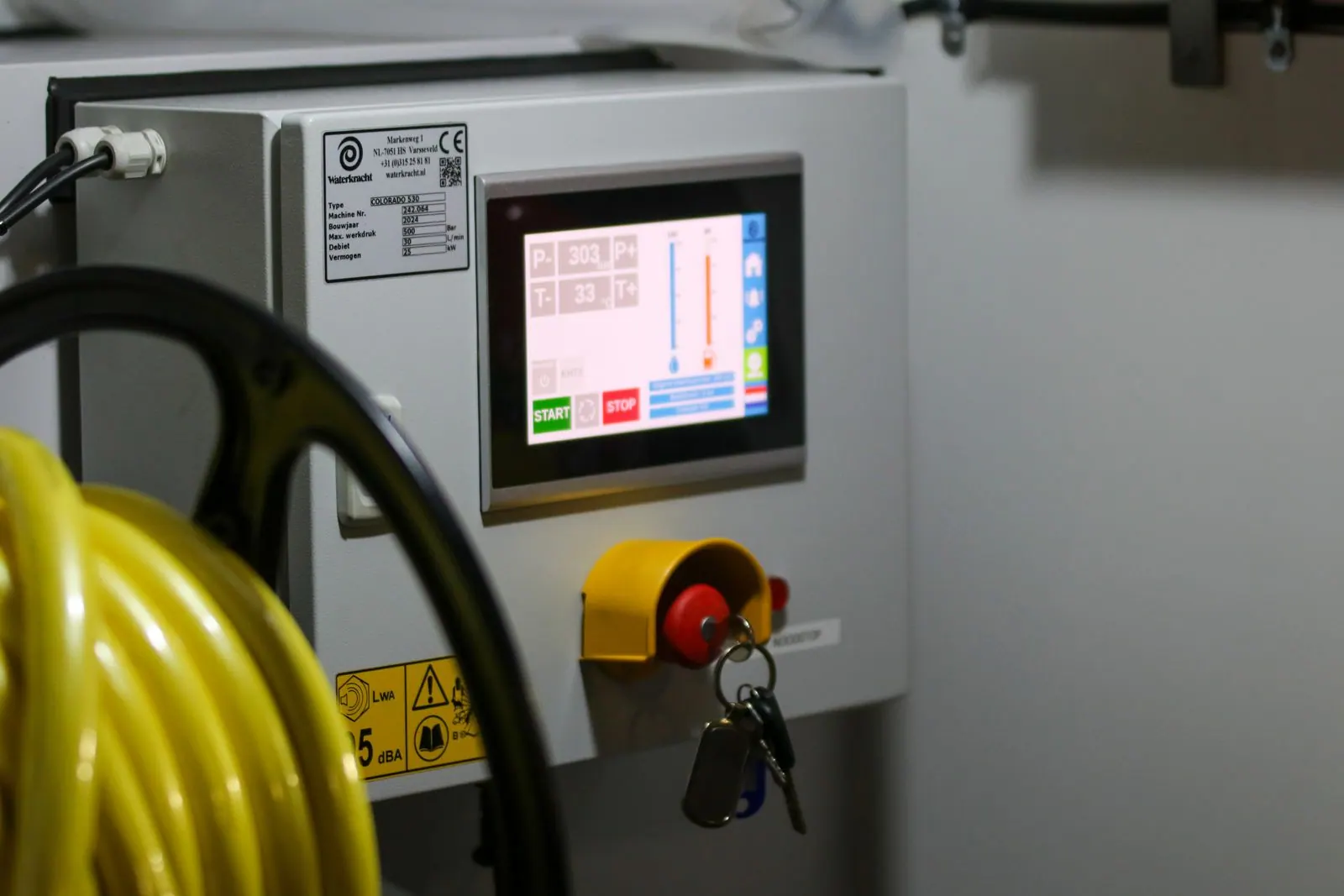
PLCs and HMI panels fail in fairly predictable ways given how they're used — continuous operation, physical handling on a factory floor, and exposure to the same industrial electrical environment as everything else on the line.
Industrial electronics run harder than office equipment: longer hours, more heat, dirtier air and worse power. Most failures trace back to a small set of causes, and knowing which one applies decides both the repair and the prevention.
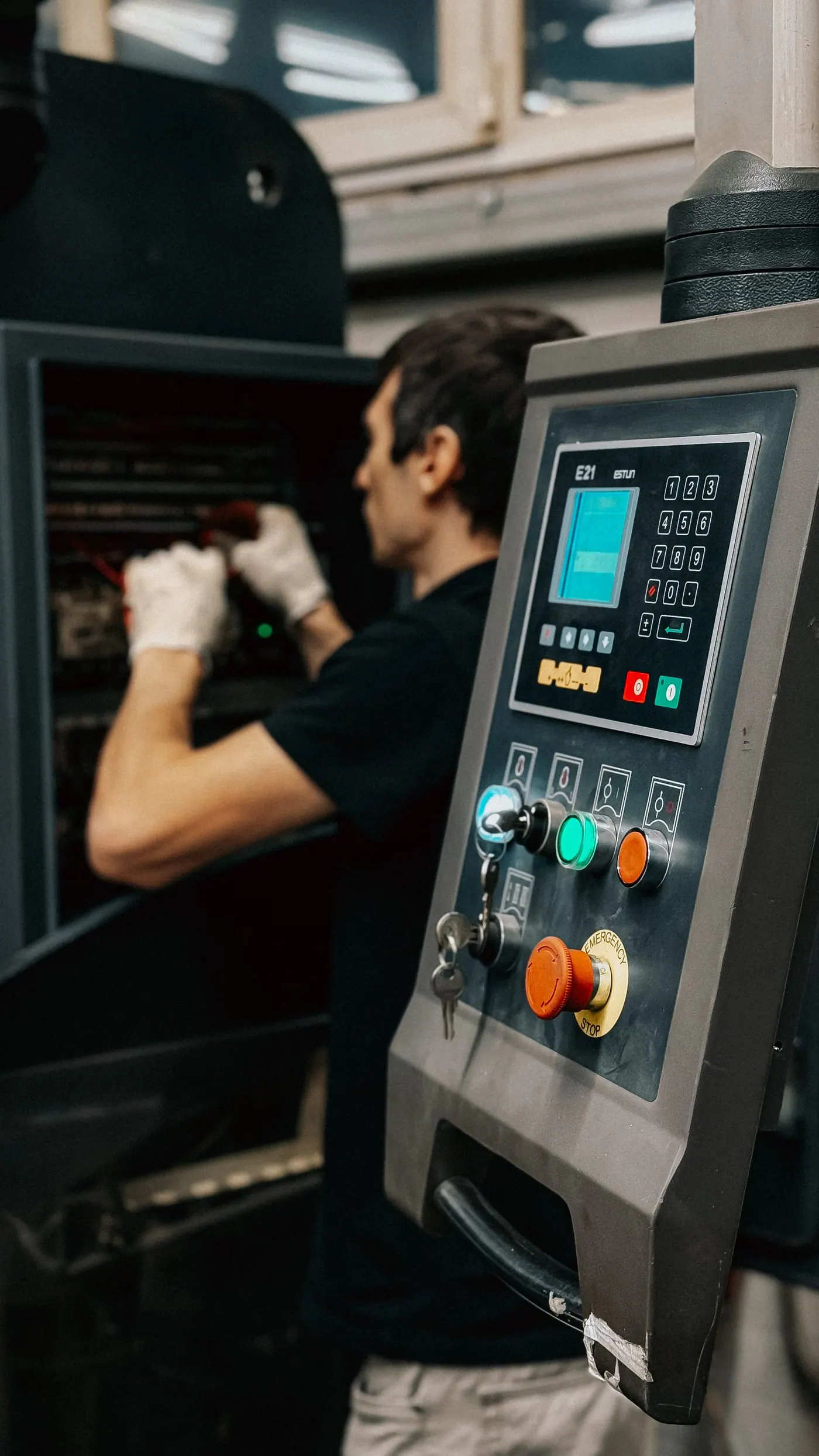
An operator panel that is dark or unresponsive can stop a machine from being used even when the controller is fine. Most HMI faults come from a short list of causes.
A PLC module that has stopped responding does not always mean the whole controller must be replaced. Diagnostics narrows the fault to a module and then to a stage on that module.
A variable-frequency drive that trips, will not start or shows a fault code often has a failed board rather than a failed motor. Finding which board, and which stage on it, is what makes repair possible.
Industrial control boards fail in a small number of recurring ways. Recognising the pattern helps decide whether a board can be repaired and how to stop the next one failing.
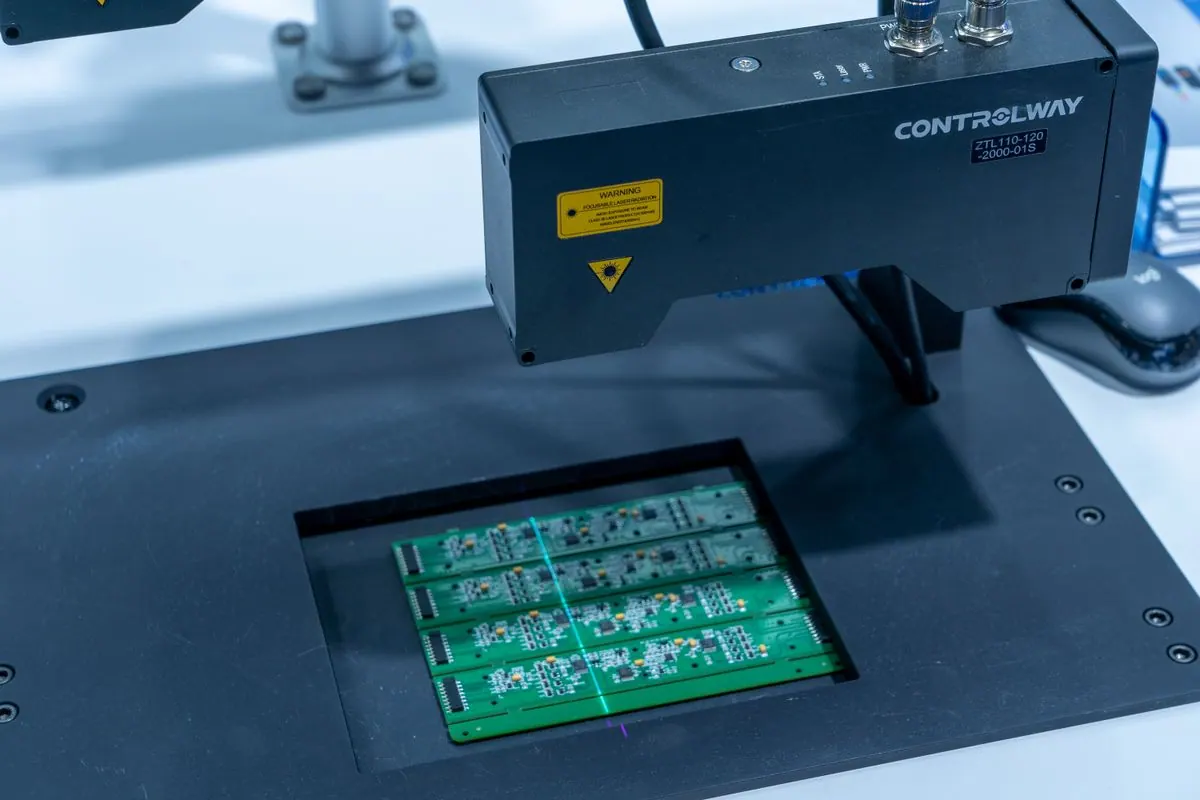
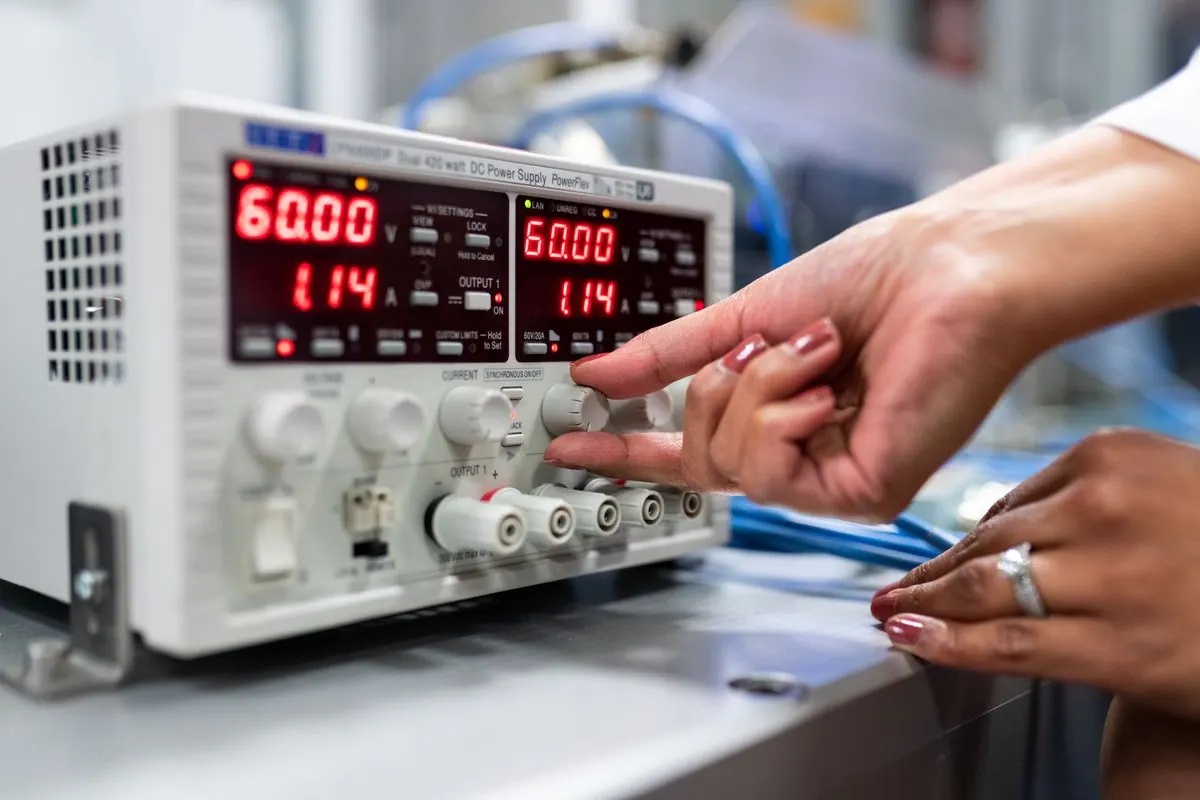
Industrial electronics repair is a different discipline from general repair. The equipment is controlling machinery, the downtime is costly and the repair has to be verified under realistic conditions.