Clear answers to common questions about PCB repair, diagnostics, failure analysis, and refurbishment.
Repair Engineering
Component-level repair works at the level of the individual part that failed — a capacitor, connector, or IC — rather than replacing the whole assembly.
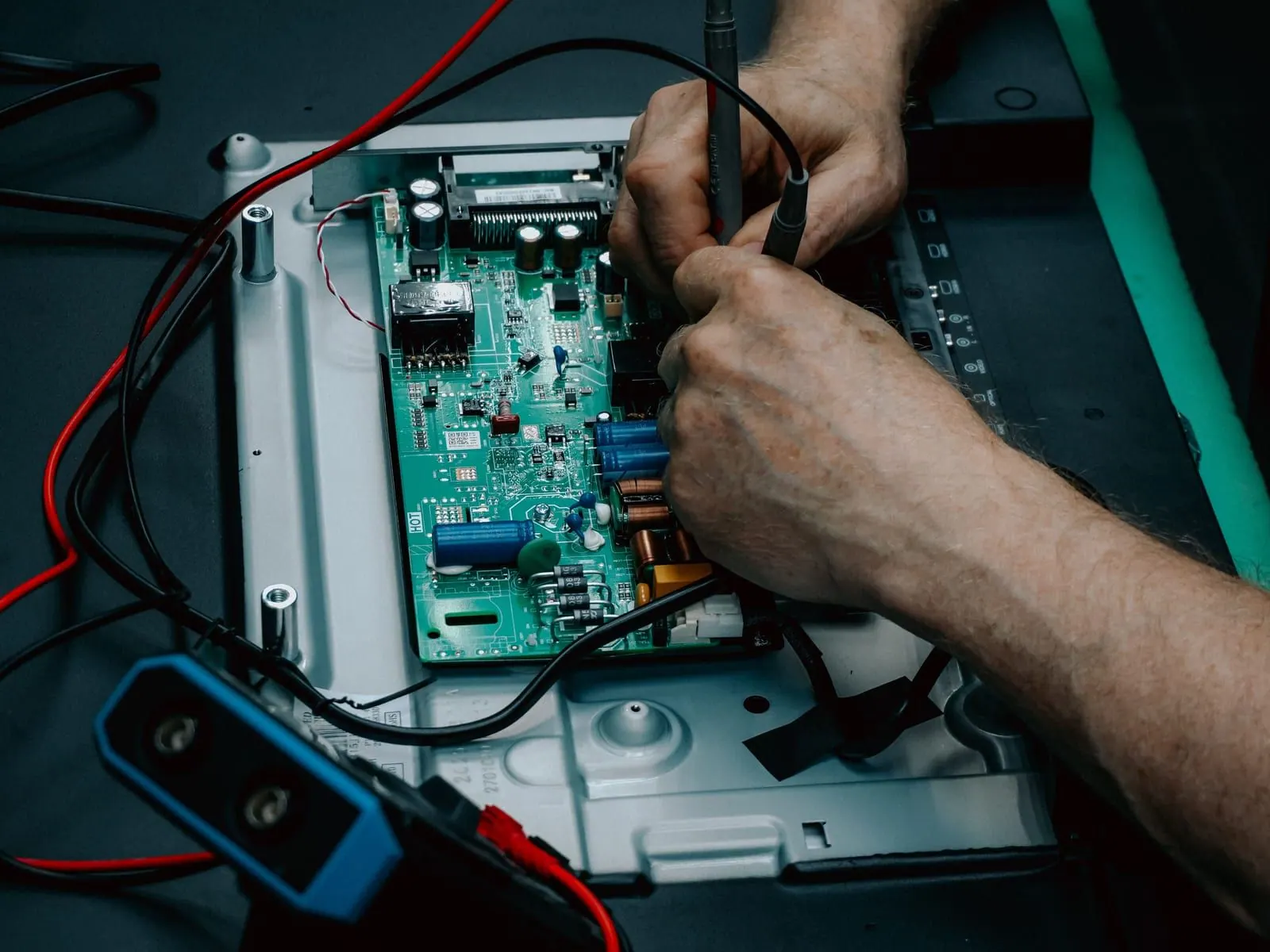
Diagnostics turns "it doesn't work" into a defined electrical problem — the basis every repair decision depends on.
The cost advantage of component-level repair comes from a simple fact: most board failures are caused by one or two parts, not the entire assembly — so paying to replace the whole board is often paying for components that never failed.
Downtime is measured from the moment a unit fails to the moment it is back in use. Board-level repair shortens that window where the wait for a replacement is the longest part of it.
Repair and refurbishment are often used as if they mean the same thing. They solve different problems, and choosing the wrong one costs either money or reliability.
Repair is not always the right answer, and neither is replacement. The decision depends on a handful of factors that can be checked before any money is committed.
The quote for a replacement board is only part of the cost. The rest is time, disruption and the loss of a configuration that already works.
When a manufacturer stops supporting a product, the equipment is still working for you, but its spares and service are disappearing. There are several options between running it until it fails and replacing it today.
Board-level repair treats the circuit board as the unit of repair: the failed board is restored and returned instead of the whole unit or module being replaced.
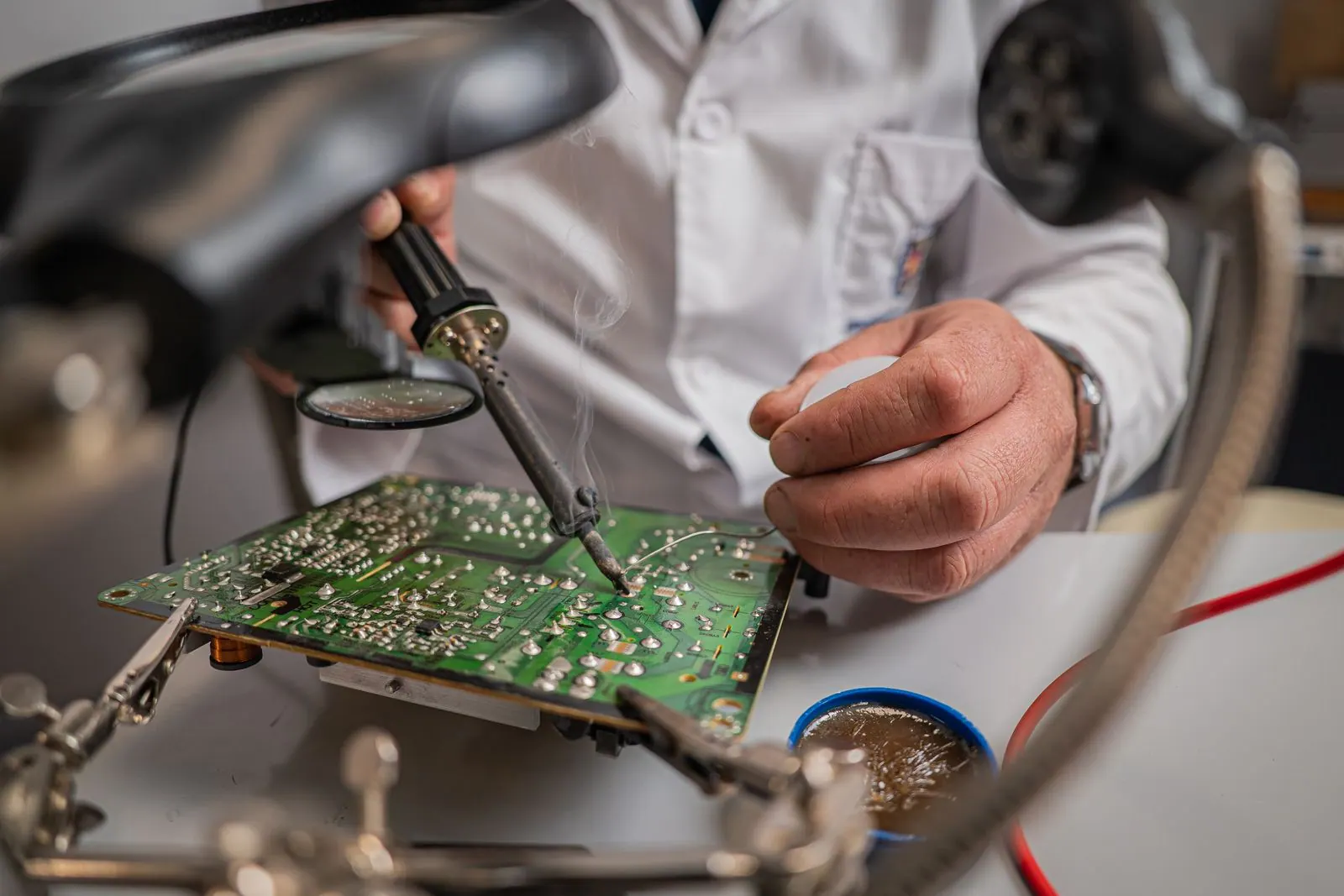
PCB rework is precision work on a board that has already been built: replacing parts, repairing damage and making approved changes, under magnification and with controlled heat.